
Poultry solutions
In poultry production, the two biggest levers are gut health and feed conversion. Pelleting temperature, however, is the most critical process step determining the efficacy of probiotics — which is why the strains we use are spore-forming.
- 5
- Solutions
- 1
- Protocol
- 7
- Related Products
Challenges we address
Heat Stress & Pellet Loss
High temperatures during pelleting inactivate non-spore-forming probiotics, while in the summer months heat stress reduces performance.
- Decline in feed intake and live weight
- Deterioration in egg production and shell quality
- Increase in mortality
Antibiotic-Free Production (AGP Phase-Out)
With the ban on antibiotic growth promoters (AGPs), producers have had to look for alternatives without suffering a loss of performance.
- FCR deterioration after AGP withdrawal
- Risk of necrotic enteritis and dysbacteriosis
- Residue issues in export markets
Gut Health & Performance
When gut integrity is compromised, feed efficiency falls, carcass yield declines and disease pressure rises.
- Wet litter and abnormal dropping consistency
- Carcass loss and a non-uniform flock
- Deterioration in feed conversion ratio
Eggshell Quality & Breeder Performance
In breeder and layer flocks, the proportion of broken eggs is a direct loss of revenue.
- Increase in the proportion of broken and cracked eggs
- Reduction in shell thickness
- Decline in egg production
Phosphorus Cost & Environmental Load
Because phytate phosphorus in cereals cannot be digested, both ration cost increases and phosphorus is released into the environment in the manure.
- High inorganic phosphorus cost
- Manure-borne phosphorus pollution
- Pressure from regional environmental legislation
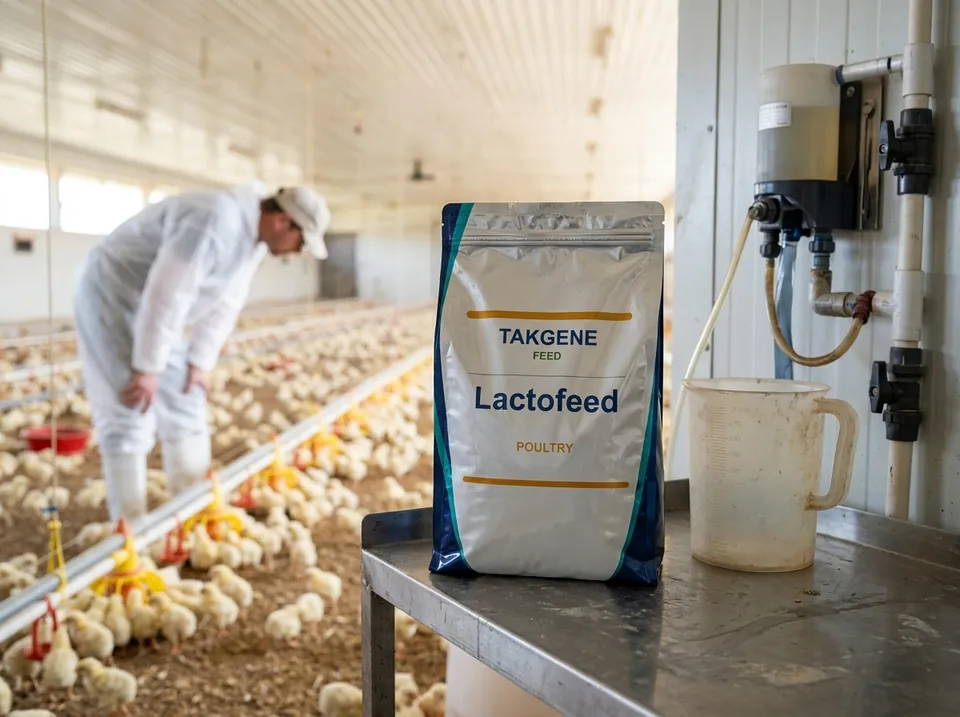
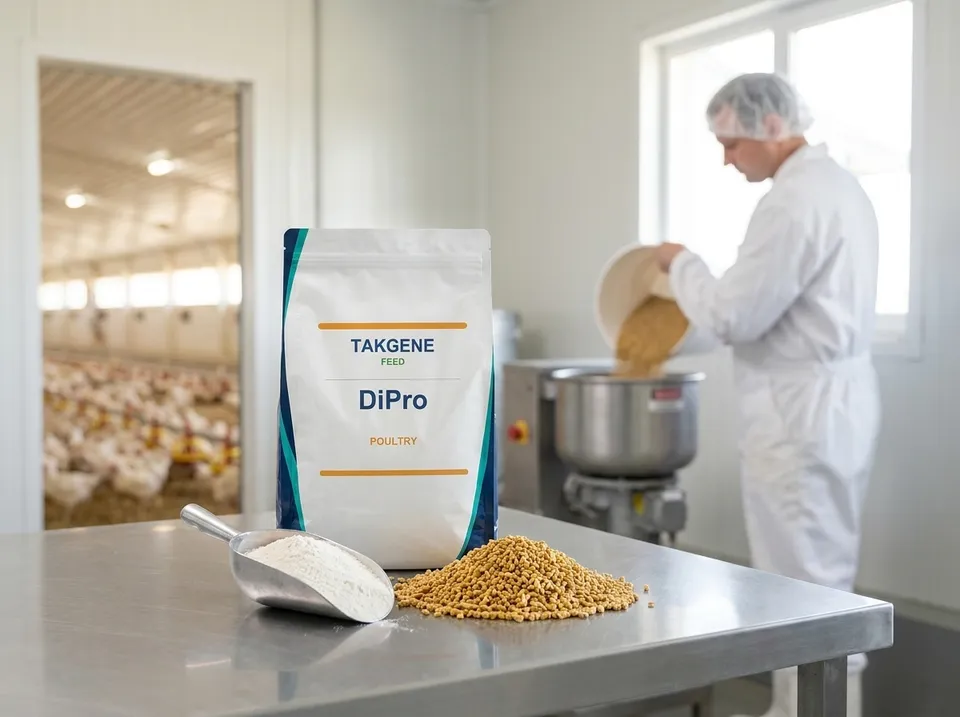
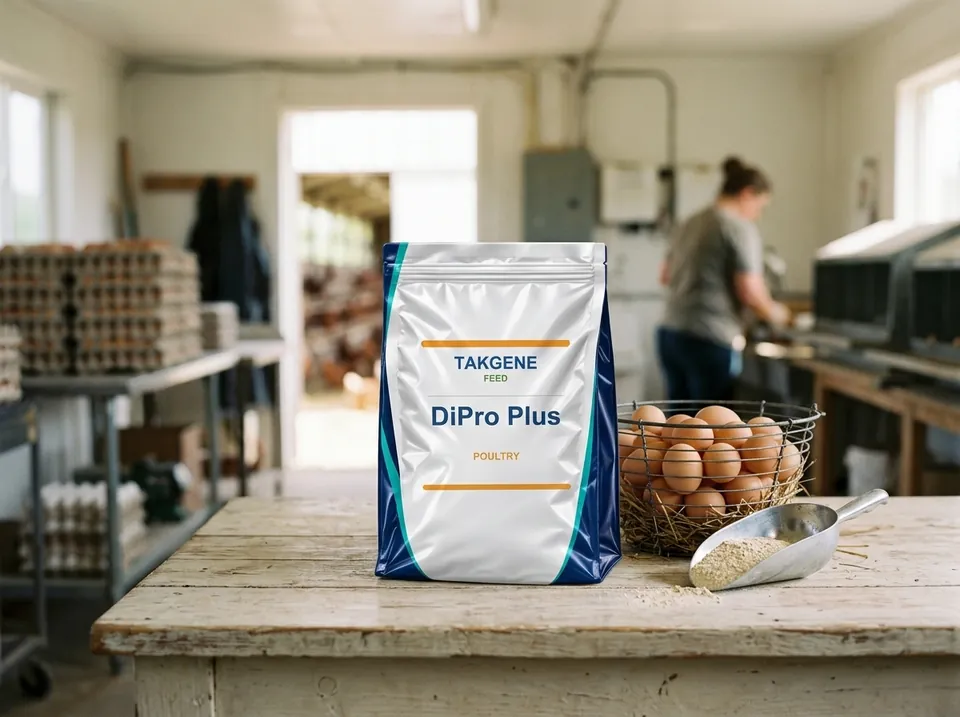
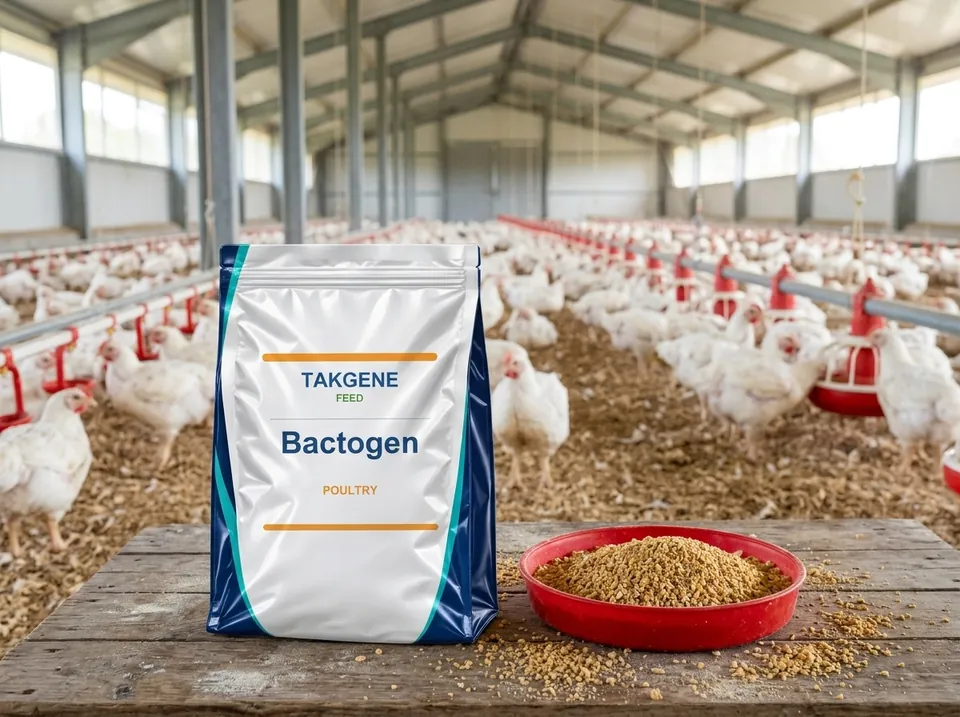
Products for this field


Let’s define the right solution for your application together.
Contact our team directly for product supply, technical information, samples and partnership enquiries.